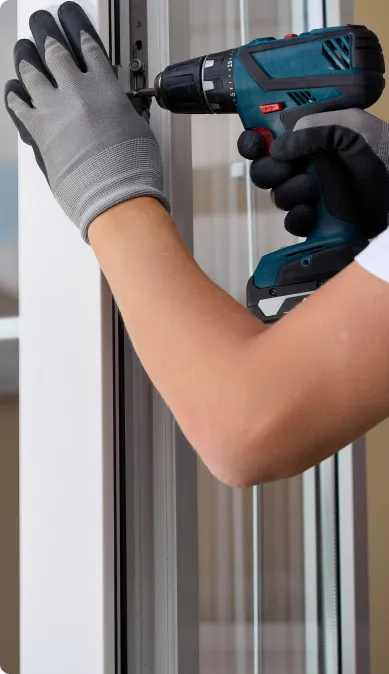
Difference between Hurricane Windows vs Hurricane Shutters in Florida.
Living in the Sunshine State offers year-round warm weather, beautiful beaches, and a vibrant lifestyle. However, this tropical paradise comes with a well-known caveat: hurricane season. As a Florida homeowner, preparing your property for extreme weather is not just a suggestion; it is a necessity.
When upgrading their home’s defenses, many property owners find themselves caught in a familiar debate. Understanding the exact Difference between Hurricane Windows vs. Hurricane Shutters in Florida is crucial for making an informed, budget-friendly, and safe decision. Both options aim to protect your home, but they function in entirely different ways, offer different secondary benefits, and command different price points.
Let’s break down everything you need to know to secure your property effectively.
Understanding the Threat: Florida’s Unique Weather Demands
Before diving into specific products, it is vital to understand what you are protecting your home against. True home defense during a hurricane is not just about stopping a flying branch from breaking a window. It is about preserving the structural integrity of the home envelope during windstorms.
If a standard window breaks during a Category 4 or 5 storm, high-velocity winds rush into your house. This rapid influx creates immense internal pressure, which looks for the easiest way out—often resulting in the roof blowing off from the inside out.
To prevent this catastrophic failure, the state implemented stringent Florida Building Code wind-load requirements. Any storm protection you install must meet specific local codes designed to keep the wind out and the home envelope sealed.

What Are Hurricane Windows?
Often referred to as impact windows, hurricane windows are engineered to withstand the strike of flying debris and the immense pressure of hurricane-force winds. They look exactly like standard residential windows, providing passive, 24/7 protection without requiring any setup when a storm approaches.
The Science Behind the Glass
To understand how they work, we must look at laminated glass vs tempered glass for storm safety.
- Tempered Glass: This glass is heat-treated to be stronger than standard glass. If it breaks, it shatters into small, dull pebbles rather than sharp shards. While safer for everyday accidents, it does not stop wind from entering if shattered.
- Laminated Glass: Impact windows use laminated glass, which consists of two panes of glass bonded together by a heavy-duty inner layer of polyvinyl butyral (PVB) or SentryGlas Plus (SGP). If a 2×4 piece of lumber hits the window at 34 mph, the outer glass may crack, but the resilient inner layer holds the shattered pieces firmly in the frame, keeping the wind and rain out.
Misconceptions: Film vs. Glass
Some homeowners look for budget alternatives, sparking the debate of window film vs impact glass for hurricane protection. Window film is a thick, adhesive layer applied over existing standard glass. While it may hold broken glass fragments together and prevent shattering, it does not reinforce the window frame or meet Florida Building Code impact standards. It should not be considered a substitute for true impact windows in hurricane-prone areas.
Additional Benefits of Impact Windows
Impact windows offer incredible perks that last 365 days a year, well beyond hurricane season:
- Energy Efficiency: Checking the energy efficiency ratings for impact-rated glass reveals that these windows are highly insulated. They block out heat and up to 99% of harmful UV rays, drastically lowering your summer air conditioning bills.
- Noise Reduction: If you live near a busy road or airport, the noise reduction benefits of impact windows are life-changing. The heavy lamination drastically dampens outside sounds, creating a quiet, peaceful interior.
What Are Hurricane Shutters?
Hurricane shutters are physical barriers attached to the outside of your existing windows. They come in several distinct varieties, ranging from high-tech motorized systems to manual metal panels.
Types of Storm Shutters
- Accordion Shutters: Permanently attached to your windows, these unfold like an accordion and lock in the middle.
- Roll-Down Shutters: Housed in a box above the window, these roll down manually with a crank or automatically via an electric motor. The installation time for roll-down hurricane shutters is relatively quick for a professional, but because they require precise track mounting and electrical wiring (for motorized units), it is not a DIY job.
- Storm Panels: Corrugated aluminum or clear polycarbonate panels that must be manually bolted to the exterior of the house before a storm.
Temporary vs. Permanent Solutions
When evaluating temporary versus permanent hurricane protection solutions, shutters span both categories. Roll-down and accordion shutters are permanently affixed, requiring only deployment. Aluminum panels, however, are temporary and must be stored in your garage until needed, which requires significant physical labor to install during a storm.
Curb Appeal and Maintenance
One major consideration is the aesthetic impact of shutters on curb appeal. While modern roll-down boxes are sleeker than they used to be, accordion tracks and bulky metal housings are visible from the street. They can sometimes detract from the architectural beauty of a home.
Furthermore, coastal living requires maintenance. A common question is: how long do hurricane shutters last in salt air? While aluminum panels resist rust, the salt air can degrade moving parts, screws, and tracks over 10 to 15 years. Knowing how to maintain accordion hurricane shutters is essential. Homeowners must regularly wash the tracks with fresh water, clear them of debris, and lubricate the wheels and locks with a silicone-based spray at least twice a year so they don’t seize up when you need them most.

The Great Debate: Hurricane Windows vs Hurricane Shutters
When directly comparing hurricane windows vs hurricane shutters, there is no one-size-fits-all answer. Your choice will depend on your budget, physical capabilities, and where your home is located. Here is how they stack up in the most important categories.
1. Cost and ROI
Let’s do a quick cost-benefit analysis of impact windows. Impact glass requires a significant upfront investment. Outfitting an entire average-sized Florida home with impact windows can cost anywhere from $10,000 to $30,000, depending on the number of openings and frame materials. Shutters are undeniably cheaper upfront; accordion shutters might cost $3,000 to $6,000 for the same home, and aluminum panels even less.
However, the return on investment (ROI) for impact windows is substantially higher. Not only do they increase the resale value of your property, but they also lower monthly energy bills. Furthermore, both options qualify for substantial home insurance premium discounts for storm protection, but insurance companies generally favor the passive, “always-on” protection of impact windows over manual shutters that a homeowner might forget (or be out of town) to deploy.
2. Deployment and Convenience
When a hurricane warning is issued, the stress levels rise. Comparing impact-resistant glass vs storm shutters in terms of convenience is night and day.
- Impact Windows: Zero deployment time. You simply lock your windows, and you are protected.
- Shutters: Electric roll-downs require the push of a button. Accordions require walking around the house, pulling them shut, and locking them (taking 30–60 minutes). Temporary panels can take an entire exhausting day of heavy lifting in the Florida heat.
3. Maximum Defense & HVHZ Ratings
If you live in Miami-Dade or Broward counties, you reside in a High Velocity Hurricane Zone (HVHZ). The building codes here are the strictest in the world. When asking what the best storm protection for High Velocity Hurricane Zones is, both HVHZ-rated impact windows and heavy-duty shutters are acceptable by code. However, impact windows offer a critical secondary defense: security against burglars. The same laminated glass that stops a flying tree branch will easily stop an intruder swinging a crowbar.
4. Light and Comfort During a Storm
Hurricanes often knock out power for days. If you have storm shutters deployed, your house is plunged into total darkness. Without air conditioning, a dark, boarded-up house becomes a hot, stressful cave. With impact windows, natural light still fills your home, which is a massive psychological benefit during the stressful aftermath of a storm.
Key Comparisons at a Glance
To simplify your decision-making process, here is a quick summary of the key differences:
- Upfront Cost: Shutters are more budget-friendly initially; impact windows require a larger investment.
- Deployment: Impact windows offer 24/7 passive protection. Shutters require manual or mechanical deployment before every storm.
- Energy Savings: Impact windows dramatically lower cooling costs and block UV rays; shutters provide no daily energy benefits.
- Aesthetics: Impact windows seamlessly blend with your home’s design. Shutters add visible tracks, boxes, or hardware to your exterior.
- Maintenance: Windows require standard glass cleaning. Shutters require track lubrication, testing, and salt-air corrosion management.

Making the Right Choice for Your Florida Home
Ultimately, the choice between upgrading to impact glass or installing storm shutters depends entirely on your lifestyle and budget.
If you have a strict budget right now but need immediate protection to meet code, installing accordion shutters is an excellent, reliable choice. Just remember to maintain the tracks so they are ready when hurricane season arrives.
On the other hand, if you are looking to invest in your home’s long-term value, desire lower energy bills, want absolute convenience without lifting a finger, and prefer not to alter the look of your home’s exterior, impact windows are undeniably the superior choice.
Many homeowners even opt for a hybrid approach. They might install impact windows on the front of the house to preserve curb appeal and benefit from noise reduction, while installing more economical accordion shutters on the back patio sliding doors.
Final Thoughts
As a Florida resident, prioritizing your home’s defense against extreme weather is simply part of the lifestyle. Understanding the nuances, from the strict building codes to the distinct Difference between Hurricane Windows vs. Hurricane Shutters in Florida, empowers you to protect your family and your biggest financial asset.
Whether you choose the robust physical barrier of a shutter system or the seamless, energy-efficient strength of impact-resistant glass, taking action before a storm forms in the Atlantic is the absolute best investment you can make.