10 Tips to Protect Your Florida Home During Hurricane Season
Storm prep in Florida is easier when you treat it as a year-round home maintenance habit, not a last-minute scramble when a storm is already in the Gulf or Atlantic. Use this list as a practical starting point for how to protect your Florida home from a storm, then customize it based on your property’s age, location, flood risk, roof condition, and local emergency guidance.

1. Inspect Your Roof Before Storm Season
Your roof is one of your home’s most important defenses against wind-driven rain. Walk your property from the ground and look for missing shingles, cracked tiles, loose flashing, sagging gutters, or stains under soffits. If anything looks questionable, schedule a licensed roofing inspection before storm season—not when contractors are already booked.
Prioritize repairs that help keep water out, such as sealing gaps, replacing damaged materials, securing loose gutters, and clearing roof valleys. The Insurance Institute for Business & Home Safety identifies the roof and garage door as two critical areas for reducing hurricane-related damage, so roof prep should be near the top of your checklist. (ibhs.org)
2. Protect Windows and Glass Doors
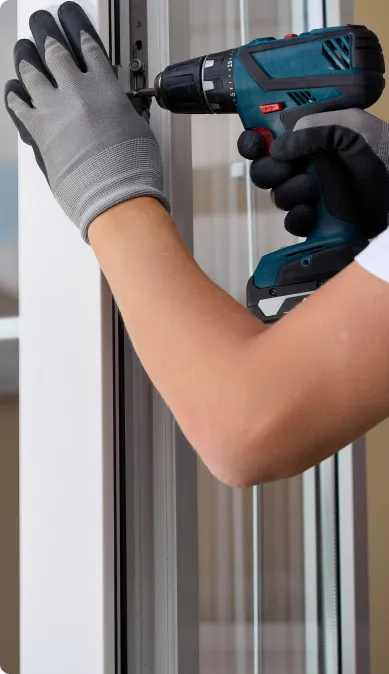
Flying debris can turn unprotected windows and sliding doors into weak points. Permanent storm shutters, removable panels, or impact-rated windows can help protect openings from windborne debris. If your home uses plywood panels, make sure they are properly sized, labeled, stored, and ready to install quickly.
Do not rely on tape. NOAA’s hurricane guidance notes that tape offers little strength to glass and does not protect against flying debris; once a warning is issued, your time is better spent installing shutters or panels. (aoml.noaa.gov)
3. Reinforce the Garage Door
The garage door is often one of the largest openings in a home. If it fails during a severe wind event, pressure can enter the structure and increase the risk of major damage. Check whether your garage door is wind-rated for your area, and look for loose tracks, weak hinges, rusted hardware, or panels that flex easily.
If your door is older, ask a qualified professional whether reinforcement kits, upgraded tracks, bracing, or full replacement makes sense. The National Weather Service specifically warns that the garage door is highly vulnerable and should be able to withstand hurricane winds. (weather.gov)
4. Secure Outdoor Items Before Winds Pick Up
Patio chairs, umbrellas, potted plants, grills, toys, garden tools, and loose décor can become dangerous projectiles. Create a “bring-in list” before storm season so you are not walking around in heavy rain trying to remember what needs to be secured.
Move lightweight items indoors. Anchor larger items that cannot be moved, such as storage sheds, propane tanks, and certain outdoor equipment. Trim weak branches well before a storm threatens, and never prune large trees at the last minute if debris collection may not happen in time.
5. Clear Gutters, Drains, and Yard Debris
Florida storms often bring intense rainfall, and clogged drainage can push water toward your foundation, doors, and low entry points. Clean gutters, downspouts, splash blocks, French drains, and storm drains near your property. Make sure water flows away from the home where possible.
Also remove loose branches, palm fronds, leaves, and clutter from the yard. This helps reduce both drainage problems and windblown debris. If your property has a swale, ditch, or drainage easement, keep it clear and avoid blocking it with landscaping, fencing, or stored materials.
6. Review Flood Protection Options
Wind is not the only threat. Storm surge, flash flooding, and heavy rain can damage homes even when the strongest winds stay away. NOAA’s hurricane preparedness materials emphasize that tropical cyclones can produce storm surge, inland flooding, destructive winds, tornadoes, and dangerous surf conditions. (nhc.noaa.gov)
If your home is in a flood-prone area, consider practical mitigation steps such as elevating appliances, using flood-resistant materials in lower areas, installing backflow prevention where appropriate, and keeping sandbags or water barriers available if recommended locally. Also review your flood insurance needs before storm season, because coverage typically cannot be added at the last minute and may have waiting periods.
7. Prepare for Power Outages Safely
A storm-ready home should be ready for several days without power. Stock flashlights, batteries, phone chargers, power banks, lanterns, and a battery-powered or hand-crank radio. If you use a generator, store fuel safely and operate the generator outdoors only.
Generator safety is critical. The CDC warns not to use portable gasoline or coal-burning equipment, camp stoves, or generators inside a home, basement, or garage; generators should be kept outside and away from windows, doors, and vents to reduce carbon monoxide risk. (cdc.gov)
8. Create a Home Inventory and Document Condition
Before a storm, take photos and videos of your home’s exterior, interior rooms, roofline, windows, doors, major appliances, electronics, furniture, and valuables. Store copies in the cloud and on a portable drive or device you can take with you.
A home inventory can make insurance conversations easier after damage occurs. Include model numbers, receipts when available, and photos of upgrades such as shutters, impact windows, roof improvements, garage door reinforcement, or water mitigation work. Keep insurance policies, IDs, mortgage documents, and emergency contacts in a waterproof folder.
9. Know When to Evacuate
Protecting your home matters, but protecting people comes first. If local officials issue an evacuation order, follow it. Plan where you will go, how you will get there, what you will bring, and how you will communicate if cell service is limited.
The National Weather Service advises residents to stay tuned to local emergency management offices, NOAA Weather Radio, and trusted media sources when a tropical storm or hurricane threatens. (weather.gov) If your home is in an evacuation zone, a mobile or manufactured home, or an area prone to flooding, have a plan well before a storm is approaching.
10. Make a Year-Round Maintenance Checklist
The best time to protect your Florida home is long before a cone of uncertainty appears on the forecast. Create a simple seasonal checklist and review it at least twice a year.
Your checklist can include:
- Inspect roof, gutters, soffits, and fascia.
- Test shutters, panels, anchors, and fasteners.
- Check garage door tracks, hinges, and bracing.
- Trim trees and remove weak limbs.
- Confirm drainage flows away from the home.
- Restock batteries, flashlights, water, and first-aid supplies.
- Review insurance policies and home inventory photos.
- Save local emergency management alerts and evacuation resources.

Final Thoughts
Learning how to protect your Florida home from a storm is not about one big project; it is about stacking smart, practical steps that reduce risk. Start with the most vulnerable parts of your home: the roof, windows, doors, garage door, drainage, and outdoor items. Then build a plan for power outages, flooding, insurance documentation, and evacuation.
No preparation can make a home storm-proof, but the right upgrades and habits can help limit damage, reduce stress, and give your family a safer plan when severe weather threatens.