Durable Entry Doors for Homes in Pensacola, FL
A dependable front door does more than welcome guests. It helps protect your home, handles daily use, supports curb appeal, and stands up to Pensacola’s heat, humidity, rain, and coastal conditions. If you are comparing Durable Entry Doors for Homes in Pensacola, FL, focus on materials, security features, weather resistance, and long-term value rather than looks alone.
What makes an entry door durable in Pensacola’s climate?
A durable entry door in Pensacola needs to resist moisture, heat, wind-driven rain, swelling, fading, and repeated opening and closing. Coastal air and humid weather can be tough on exterior surfaces, so the best door is one built with stable materials, a protective finish, strong hardware, and proper installation.
Durability is not one single feature. It is the combination of the slab, frame, threshold, weatherstripping, hinges, lock area, and finish working together. A beautiful door can still underperform if the frame is weak, the seal is poor, or the hardware does not fit tightly. For homeowners, that means the right choice should feel solid, close smoothly, and create a clean barrier between the inside of the home and the outdoors.
In Pensacola, durability also means consistency. A door should not become difficult to latch after a stretch of humid weather, show early finish wear from sun exposure, or let drafts and moisture creep in around the edges. When you evaluate durable entry doors Pensacola, FL homeowners can rely on, ask how the door is designed to handle local weather as well as everyday use.

Materials that balance strength, style, and maintenance
Entry doors are available in several materials, and each one has a different mix of performance, appearance, upkeep, and cost. The right option depends on your home’s style, the exposure of your entryway, and how much maintenance you want to take on over time.
Fiberglass doors are a popular choice for durability because they can offer the look of wood with less upkeep. They tend to resist dents, moisture issues, and warping better than traditional wood in many conditions. Fiberglass can also work well for homeowners who want attractive panels, glass inserts, or wood-grain styling without committing to frequent refinishing.
Steel doors are known for strength and security. They can be a practical option for homeowners who want secure entry doors at a reasonable price point. Steel may dent if hit hard, and the finish needs to remain protected, but a well-made steel entry door can provide a sturdy, confident feel.
Wood doors offer warmth and classic character. They can be beautiful on the right home, especially under a covered entry where they are shielded from direct weather. However, wood generally needs more care to protect it from moisture, sun, and seasonal movement, so it may not be the lowest-maintenance choice for every Pensacola homeowner.
A helpful way to narrow the decision is to think about your priorities:
- Lowest maintenance: Consider fiberglass or a well-finished modern door system.
- Strong security feel: Look at steel or reinforced fiberglass options with quality hardware.
- Traditional character: Wood may fit, especially with proper protection and upkeep.
- Long-term value: Compare the entire system, not just the door slab.
- Coastal practicality: Choose materials and finishes that are designed to resist moisture and wear.
Secure entry doors start with the whole system
Security is one of the main reasons homeowners replace an entry door, but a secure door is not only about the door panel. The frame, lockset, deadbolt, strike plate, hinges, glass configuration, and installation all matter. A strong slab installed in a weak or damaged frame will not provide the same peace of mind as a complete, well-fitted entry system.
Look for doors with reinforced lock areas and a solid, stable construction. If the door includes decorative glass, consider how the glass is placed and whether the design supports privacy as well as style. Many homeowners like glass because it brightens the entryway, but the right configuration should still feel secure and practical.
Hardware deserves careful attention. A quality deadbolt, properly anchored strike plate, and secure hinges can make a meaningful difference in how the door performs. Even the best hardware needs correct installation, because gaps, loose screws, misalignment, and poorly seated frames can reduce security and create everyday frustrations.
Use this security checklist when comparing options:
- Check the frame condition. A door is only as secure as the structure around it.
- Ask about reinforced lock areas. This helps the door handle pressure at a key stress point.
- Choose dependable hardware. Locks, handles, hinges, and strike plates should match the door’s strength.
- Review glass placement. Decorative glass should support both curb appeal and comfort.
- Prioritize professional fit. Smooth closing, tight seals, and correct alignment all affect security.
When everything works together, secure entry doors can improve daily confidence without making the front of the home feel heavy or uninviting.
How can affordable entry doors still deliver long-term value?
Affordable entry doors deliver value when they meet your performance needs without creating avoidable repair, maintenance, or replacement costs later. The lowest upfront price is not always the most economical choice if the door struggles with moisture, drafts, poor hardware, or finish failure.
A smart budget starts with what the door needs to do. If your entryway receives strong sun or rain exposure, spending a little more on a suitable material and protective finish may be worthwhile. If security is your top concern, hardware and frame strength should stay high on the list. If your current door is drafty or difficult to close, installation quality should be treated as part of the investment rather than an afterthought.
Affordability also comes from choosing features you will actually use. Decorative glass, custom colors, sidelites, and upgraded hardware can all be worthwhile, but not every home needs every option. A clean, well-built door with a durable finish may provide a better return than an overly ornate door that exceeds the home’s style or your maintenance comfort level.
To keep the project practical, compare doors based on:
- Material suitability for humidity, rain, and sun exposure.
- Included components, such as frame, threshold, seals, and hardware compatibility.
- Maintenance expectations over the next several years.
- Security features that are built into the system.
- Installation quality and how well the door is fitted to your opening.
- Design longevity, meaning a style you will still like as your exterior changes.
Affordable does not have to mean basic or temporary. It should mean thoughtfully chosen, fairly priced, and suited to the way your home actually functions.
Style choices that improve curb appeal without sacrificing performance
Your front door is one of the first details people notice from the street. Color, panel design, glass, hardware finish, and proportions all influence the home’s character. The key is to choose a design that complements your exterior while still meeting the practical needs of a coastal Florida home.
A simple panel door can look crisp and timeless on many homes. A door with glass inserts can make the entry feel brighter and more welcoming. Sidelites or transoms, where appropriate, can create a more open appearance, though they should be considered alongside privacy, security, and energy comfort.
Color is another major decision. Deep, bold colors can create a strong focal point, while softer coastal tones may blend more naturally with lighter exteriors. Darker finishes can look elegant, but homeowners should consider sun exposure and finish care. The best color is one that works with the roof, trim, landscaping, shutters, and overall architecture instead of competing with them.
Hardware brings the look together. A modern handle set can update a traditional door, while classic hardware can soften a newer exterior. If you are already replacing the door, it is worth thinking about the porch light, house numbers, mailbox, and nearby trim so the whole entry feels intentional.
Installation quality matters as much as the door itself
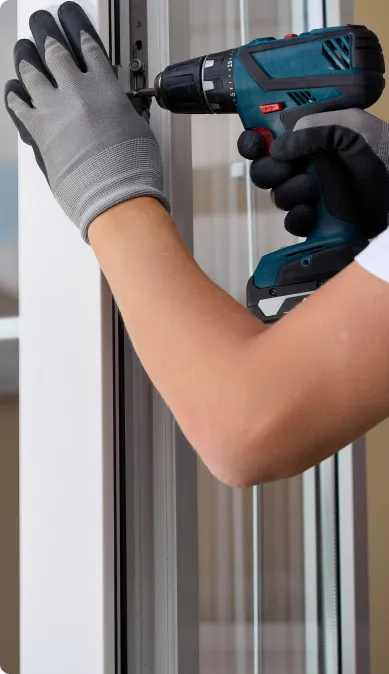
Even a high-quality entry door can disappoint if it is not installed correctly. A proper installation helps the door sit square in the opening, latch cleanly, seal evenly, and swing smoothly. It also helps reduce gaps that can allow air, moisture, insects, or noise to enter.
Before installation, the existing opening should be evaluated for signs of rot, shifting, water damage, or frame problems. Covering up those issues with a new door can lead to poor performance. A careful installer will look at the threshold, surrounding trim, and structure so the new system has a stable foundation.
After installation, the details should feel right immediately. The door should not scrape the floor, require force to latch, or show uneven gaps around the edges. Weatherstripping should make consistent contact, and the threshold should help manage water at the base of the opening. These details may seem small, but they affect comfort, security, and durability every day.
Homeowners who work with a provider such as NewSouth Windows can ask about available entry door options, installation expectations, and which features make sense for their specific home.
Signs it may be time to replace your entry door
Some entry door problems are cosmetic, while others affect comfort and safety. If your door only needs a new finish or updated hardware, replacement may not be urgent. But when performance problems begin to stack up, a new door can be the cleaner and more reliable solution.
Watch for these common signs:
- The door sticks, drags, or no longer closes smoothly.
- You can see daylight around the edges.
- The lock or deadbolt does not align correctly.
- The slab is warped, cracked, rusted, dented, or swollen.
- Moisture appears around the threshold or frame.
- The finish is peeling, fading, or failing faster than expected.
- Drafts, heat, noise, or insects are getting through gaps.
- The door feels weak, hollow, or outdated compared with your security needs.
A worn entry door can make the whole home feel less comfortable. Replacing it gives you the chance to improve function, update curb appeal, and select a system that better fits Pensacola conditions.
A practical way to choose your next entry door
The best entry door is the one that fits your home, your climate, your budget, and your daily routine. Before you choose a style, start with performance. Decide how much security, privacy, weather resistance, and maintenance flexibility you need, then narrow the design from there.
For Pensacola homeowners, durable entry doors should be built for more than a nice first impression. They should hold up to humid conditions, support secure hardware, close tightly, and look good with reasonable care. Whether your priority is secure entry doors, affordable entry doors, or a more polished front entry, the strongest results come from choosing the right complete system and having it installed properly.
A front door works hard every day. Choose one that looks welcoming, feels solid, and gives your home the protection and reliability it deserves.