What is the difference between Sliding Glass Doors and French Doors?
If you’re planning a patio upgrade or replacing a drafty old door, you’ve probably faced the classic debate: French doors vs. Sliding Glass Doors. Both can look great, bring in light, and connect your home to the outdoors, but their feel and function are very different. This guide breaks down the difference between Sliding Glass Doors and French Doors in plain language, so you can choose the one that fits your space, budget, and lifestyle.

The basic difference is how they open and how that changes everything.
The core Sliding Glass Doors vs French doors difference is simple:
- Sliding Glass Doors: panels glide along a track; one panel usually moves while the other stays fixed.
- French Doors: two hinged doors swing open from the center (or one active + one fixed), creating a wide, classic opening.
That one detail affects space, airflow, screens, furniture placement, and even maintenance—so let’s dig in.
Space and layout: Which door type saves space?
If you’re wondering which door type saves space, sliding is usually the winner.
Sliding doors (best for tight interiors)
Because the panels don’t swing into the room or onto the patio, sliding doors are often the best patio doors for small rooms. You can place a sofa, dining table, or plant stand near them without worrying about door clearance.
French doors (need swing room)
French doors require space to swing, which can be a deal-breaker in compact layouts. You’ll also need to choose French door in-swing vs. out-swing:
- Inswing: keeps hinges protected from weather but steals indoor floor space.
- Outswing: preserves interior space but requires a clear patio area (and can catch the wind).
Takeaway: When comparing Sliding Glass Doors and French doors in a smaller room, many people find sliding doors more practical for everyday use. This is mainly due to their design, which allows them to open and close effortlessly without taking up additional space. Their functionality can make a noticeable difference in managing the limited area, making sliding doors a more convenient option for daily activities.

Opening width, access, and everyday use
A big part of patio door size and opening width depends on what you want to move through the doorway.
- Sliding Patio Doors vs French Doors: Sliding doors often offer a wide overall glass area, but only half, or a little more, opens unless you choose multi-slide options.
- French doors can open nearly the full width of the frame, especially double-active doors, which feel great for parties, moving furniture, or creating that “open air” vibe.
If you regularly carry large items in and out, French doors may feel more convenient, even though Sliding Glass Doors and French doors can look similar from across the room.
Style and curb appeal (and resale)
French doors have a traditional, “architectural” look, with grids, hardware, and symmetry. Sliding doors usually feel more modern and minimal, with larger uninterrupted panes.
When people ask about the resale value of sliding doors versus French doors, the honest answer is that it depends on your neighborhood, home style, and how well the door fits the architecture. A sleek slider can be ideal in a contemporary home, while French doors may add perceived charm in a classic or cottage-style house. Installation quality matters more than the label on the door.

Energy efficiency and comfort: keeping heat in and drafts out
If comfort is your top priority, pay less attention to the “door type” and more attention to the build: glass package, frame material, weatherstripping, and installation.
That said, here’s the practical breakdown of energy-efficient patio door options: Sliding doors can be very efficient when the panels seal tightly, and the track system is high-quality.
French doors have more perimeter edges and meeting points, so seal quality and alignment are crucial.
Either way, you’ll want to reduce air leaks in patio doors with:
- Quality weatherstripping
- Proper threshold sealing
- Professional adjustment so the door latches snugly
- Correct flashing and insulation (especially on replacements)
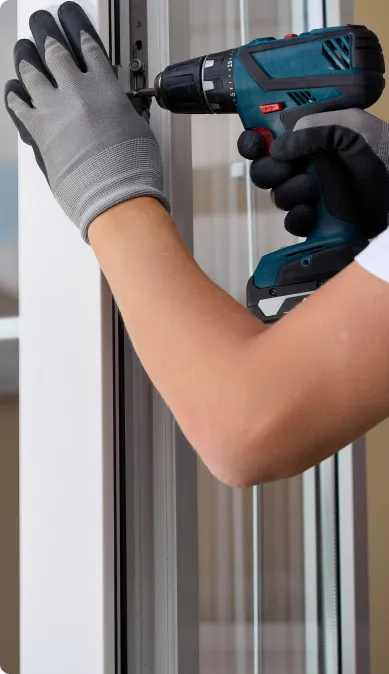
When installing French doors, one of the most important things to keep in mind is that they require a high level of precision. If the frame where the doors are being installed is not perfectly plumb and square, the doors’ functionality and aesthetic appeal can be significantly compromised. Unlike other types of doors, which may tolerate slight misalignments, French doors are especially sensitive to such discrepancies. Therefore, making sure the frame is properly aligned is a critical step in achieving a successful installation.
Security: locks, glass, and upgrades that matter
Both can be secure, but they’re secured in different ways.
French door hardware and lock types
French doors often use:
- A main keyed deadbolt/multipoint lock on the active door
- Top and bottom bolts (flush bolts) on the secondary door
- Hinge security features on higher-end models
So French Door hardware and lock types give you lots of options, but you want good alignment so everything engages smoothly.
Sliding glass door security upgrades
- Many homeowners worry about sliders because they’ve heard stories about them “lifting off the track.” Modern units and proper installation reduce that risk, and you can add a few simple improvements.
Common sliding glass door security upgrades include:
- A secondary locking pin or track lock
- Anti-lift blocks
- Laminated or tempered security glass upgrades
- Better handles/locks on older doors
Also: don’t forget lighting and sightlines; security is a whole setup, not just a lock.

Maintenance and repairs: what you’ll actually deal with
Think about what you’re willing to clean and update.
Sliding door care (tracks + rollers)
Sliders depend on the track. A few simple sliding door track maintenance tips:
- Vacuum grit regularly, especially after storms
- Wipe the track with a mild cleaner
- Don’t grease it with heavy oil that traps dirt
- If it sticks, the rollers may need adjustment or replacement
Screens are also common on sliders. If yours tears, a sliding door screen replacement guide is usually straightforward: measure the frame, replace the spline and mesh, or swap out the entire screen panel if it’s bent.
French door upkeep (hinges + alignment)
To keep French doors aligned, you may need to tighten the hinges and adjust the latches. It is also common to replace the weatherstripping over time, especially if the doors are frequently exposed to strong winds or direct sunlight.
Cost: what you’ll likely pay for each option
When comparing the cost of French doors vs. sliding doors, French doors often cost more, especially if you choose premium hardware, decorative glass, or need framing changes. Sliding doors can be more budget-friendly in standard sizes, but upgraded multi-slide systems can quickly increase cost.
Your real cost drivers are:
- Door material (vinyl, fiberglass, wood, aluminum)
- Glass type (double/triple pane, coatings)
- Structural changes and finish work
- Labor complexity (especially for French doors)
How to choose patio doors (quick decision checklist)
Use this short list when you’re stuck on how to choose patio doors:
Choose sliding if you want:
- The answer to “which door type saves space” is “this one”
- A clean, modern look
- Easy screen setup and airflow control
- Minimal swing clearance issues (great for best patio doors for small rooms)
Choose French if you want:
- A wider-feeling opening for entertaining
- Classic style and visible hardware character
- Flexible swing direction (French Door in-swing vs out-swing) to suit your layout
- A door that feels more like a “front door” to the backyard

Bottom line
The main difference between Sliding Glass Doors and French doors is how they fit your space. Sliding doors are practical, space-saving, and often easier to live with. French doors add charm and create a wide, open entry, but they need swing room and careful installation. If you compare Sliding Glass Doors vs French Doors based on your room size, opening needs, comfort goals, and maintenance tolerance, the right choice usually becomes clear.