That I am providing my express written consent to share my information with NewSouth’s partners, and authorized third parties calling on their behalf, to deliver calls or text messages to me, including for marketing purposes, using an automatic telephone dialing system or an artificial or prerecorded voice to the phone number I have provided. I understand that I am providing this consent to receive such telephone calls even if my telephone number is currently listed on any federal, state, local, internal, or corporate Do-Not-Call (“DNC”) Lists.I understand that I do not have to agree to receive these types of calls or text messages as a condition of purchasing any goods or services.
I understand that instead of providing consent, I may call 877-773-8029 to speak with an individual customer care representative.
Living in the Sunshine State offers countless perks, from year-round beach days to stunning coastal sunsets. However, the tropical climate also brings intense heat, high humidity, and the ever-present threat of severe tropical storms. Given these environmental factors, upgrading your home’s exterior is not just about aesthetics; it is about safety, comfort, and efficiency.
If you are considering window replacement in Florida, you are taking a crucial step to protect your greatest investment. But with so many options, materials, and strict building codes to navigate, the process can feel overwhelming. This comprehensive guide will walk you through everything you need to know to choose the perfect windows for your Florida home.
Understanding Florida’s Unique Climate Demands
Florida homes take a beating from the elements. A window that performs well in the Midwest will likely fail under the stress of South Florida’s relentless sun and coastal moisture. When shopping for replacements, prioritize products engineered for this environment.
To start, look closely at Energy Star ratingsfor tropical climates. The Environmental Protection Agency (EPA) sets specific criteria for the Southern climate zone, prioritizing a low Solar Heat Gain Coefficient (SHGC). This rating ensures your windows excel at blocking the sun’s heat, keeping your air conditioning inside where it belongs.
Hurricane Protection: Defending Your Home
As hurricane season approaches, standard glass windows and doors are often insufficient to withstand the strong winds and flying debris that accompany storms. Homeowners are frequently faced with an important decision regarding their storm preparedness, weighing the options for enhanced protective measures such as storm shutters or impact-resistant glass.
Historically, Floridians relied on plywood or heavy metal shutters. Today, the debate between impact-resistant glass vs storm shutters usually strongly favors impact-resistant glass. While shutters require manual deployment, often in the frantic hours before a storm hits, impact-resistant windows offer 24/7 passive protection. They also let natural light into your home during power outages, eliminating the “cave” feeling of shuttered windows.
So, are impact-resistant windows worth the investment? Absolutely. Beyond convenience, they provide superior security against break-ins and significantly reduce outside noise. Furthermore, living in certain parts of the state means adhering to strict regulations. If your home is in Miami-Dade or Broward counties, or directly on the coast, you will likely need to meet high-velocity hurricane zone requirements (HVHZ). These stringent codes mandate windows that can withstand extreme wind pressures and flying debris.
The Science of the Glass
Understanding the difference between tempered and laminated glass is essential when buying impact windows:
Tempered Glass: Heat-treated to be stronger than standard glass. If broken, it shatters into small, blunt pebbles rather than sharp shards. However, it does not hold together after impact.
Laminated Glass: This is the secret to impact windows. They feature a heavy-duty polymer interlayer sandwiched between two panes of glass. If struck by flying debris, the glass may crack, but it remains adhered to the interlayer, preventing wind and rain from entering your home and damaging your roof.
Weighing the Costs and Benefits
Naturally, hurricane impact windows cost more upfront than non-impact alternatives. An average home might see estimates ranging from $10,000 to $25,000, depending on the size and number of windows. However, this initial cost is offset over time. Most notably, homeowners can qualify for substantial home insurance discountsfor impact-resistant glass because insurers recognize the significantly reduced risk of catastrophic storm damage.
Beating the Heat: Maximizing Energy Efficiency
Florida’s intense heat and high temperatures can lead to your utility bills skyrocketing during the hotter months. Investing in energy-efficient windows is one of the most effective ways to reduce your monthly expenses on cooling and energy costs, helping you save money while maintaining a comfortable indoor environment.
The Power of Low-E Coatings
When upgrading, insist on Low-Emissivity (Low-E) glass. The sun-protection benefits of thelow-E coating are significant. This microscopic, transparent layer reflects infrared (heat) and ultraviolet (UV) light away from your home. Not only does this keep your indoor temperature cool and stable, but it also prevents your furniture, floors, and artwork from fading in the harsh Florida sun.
Choosing the Right Materials and Brands
The frame that holds your glass is just as important as the glass itself. In Florida, traditional wood frames rot, warp, and attract termites. Therefore, the choice usually comes down to two materials.
Vinyl vs. Aluminum Frames for Humid Climates
Aluminum: Historically, aluminum has been the most popular window frame material in Florida for its exceptional strength and durability. It is well suited to supporting large, heavy-impact windows, making it a reliable choice for various applications. However, aluminum’s high thermal conductivity means it readily transfers heat, which can lead to increased energy loss and reduced energy efficiency. This characteristic makes it less ideal for those seeking energy conservation.
Vinyl: In recent years, modern premium vinyl has gained widespread recognition as an excellent option, especially for humid, coastal climates. Unlike traditional vinyl, these advanced formulations are highly resistant to pitting, peeling, and salt-air corrosion. Additionally, vinyl frames provide superior thermal insulation compared to aluminum frames, helping maintain indoor temperatures more effectively. When comparing vinyl and aluminum frames for humid environments, vinyl increasingly stands out as the preferred choice among homeowners who prioritize both durability and energy efficiency, especially in coastal and humid regions.
Trusted Coastal Manufacturers
Not all window manufacturers understand the demands of a tropical climate. You should seek out the best window brands for coastal areas, such as PGT, CGI, ES Windows, and Simonton. These companies design their products specifically for Florida’s volatile weather, ensuring you get reliable warranties and performance you can trust.
Preparation and Installation: What to Expect
Even the most expensive window will fail if installed incorrectly. Navigating the installation process requires knowing what to ask your contractor.
Taking Measurements
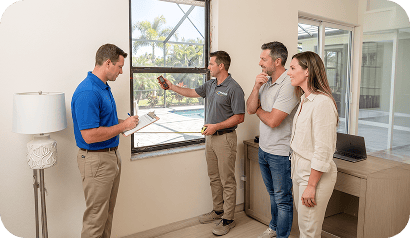
While you might want a rough estimate of your costs, knowing how to measurewindows for replacement is crucial for an accurate quote. Measure the width from the inside of the frame jamb to the opposite jamb at the top, middle, and bottom. Do the same for the height. Always record the smallest measurement. Note: A professional installer will always take a final, precise measurement before ordering, as impact windows must be custom-built to the millimeter.
Installation Methods
You will need to discuss the type of installation with your contractor:
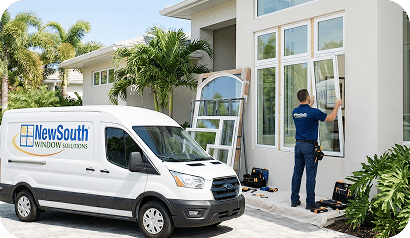
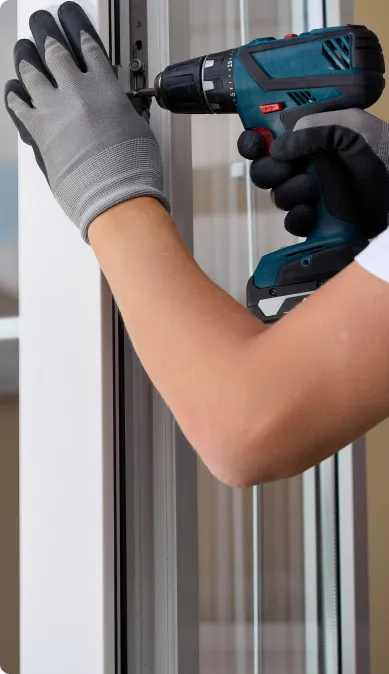
Retrofit (Insert) Installation: The new window is installed inside the existing frame. This is quicker and less disruptive to your home’s exterior stucco or interior trim.
Full-Frame Installation: The entire existing window and frame are removed down to the rough opening. When comparing retrofit vs. full-frame window installations, full-frame is often necessary in Florida if the old wooden bucks are rotted from water intrusion or termites.
Navigating Codes and Lead Times
Window replacement is heavily regulated. For example, any window in a sleeping room must meet strict Florida building code egress requirements. These rules set minimum opening widths, heights, and square footage to ensure occupants can safely escape and that first responders can enter in case of a fire.
Finally, practice patience. Because high-quality storm windows are custom-made to exact specifications, the average lead time for custom windowinstallation in Florida ranges from 6 to 12 weeks, and sometimes longer during the peak of hurricane season. Plan your project well in advance of the summer storms.
Making Upgrades Work for Your Budget
Upgrading your home is a major financial decision, but achieving an affordable window replacement is entirely possible with a bit of strategy.
Phase Your Project: If doing the whole house at once is too expensive, ask your contractor about phasing the Window Replacement Florida project, starting with the most vulnerable windows.
Financing and Rebates: Look into PACE (Property Assessed Clean Energy) financing programs available in many Florida counties. Additionally, check for federal tax credits or local utility rebates for installing highly energy-efficient products.
Conclusion
Replacing the windows on your Florida home is one of the most impactful upgrades you can make. By understanding the building codes, prioritizing impact-resistant laminated glass, and focusing on energy-efficient Low-E coatings, you are doing much more than improving your home’s curb appeal. You are creating a fortress against hurricanes, significantly reducing your monthly cooling bills, and ensuring your family’s safety and comfort for decades to come.
Take the time to research local contractors, verify their understanding of coastal building codes, and invest in a product designed to withstand Florida’s climate. Your home and your peace of mind are well worth the investment.
That I am providing my express written consent to share my information with NewSouth’s partners, and authorized third parties calling on their behalf, to deliver calls or text messages to me, including for marketing purposes, using an automatic telephone dialing system or an artificial or prerecorded voice to the phone number I have provided. I understand that I am providing this consent to receive such telephone calls even if my telephone number is currently listed on any federal, state, local, internal, or corporate Do-Not-Call (“DNC”) Lists.I understand that I do not have to agree to receive these types of calls or text messages as a condition of purchasing any goods or services.
I understand that instead of providing consent, I may call 877-773-8029 to speak with an individual customer care representative.
That I am providing my express written consent to share my information with NewSouth’s partners, and authorized third parties calling on their behalf, to deliver calls or text messages to me, including for marketing purposes, using an automatic telephone dialing system or an artificial or prerecorded voice to the phone number I have provided. I understand that I am providing this consent to receive such telephone calls even if my telephone number is currently listed on any federal, state, local, internal, or corporate Do-Not-Call (“DNC”) Lists.I understand that I do not have to agree to receive these types of calls or text messages as a condition of purchasing any goods or services.
I understand that instead of providing consent, I may call 877-773-8029 to speak with an individual customer care representative.
BUY 4 WINDOWS, GET 4 WINDOWS FREE
This offer is valid for all NewSouth window products purchased between June 1, 2026 and August 31, 2026 (ET). Buy 4 Windows, Get 4 Free. Minimum purchase of four (4) windows required. Free windows must be of equal or lesser value than the paid windows. Offer applies to window products only; installation and labor for all windows (including “free” units) are excluded and charged separately. Cannot be combined with other offers. Not valid on prior sales. One offer per household. Additional taxes, permit fees, and disposal fees may apply where required by law.
Must be an adult actively residing in the USA. Offer requires NewSouth’s receipt of signed contract and deposit within offer dates. All discounts are valid at time of estimate only and must be presented at the initial consultation. Your right to cancel is not affected by this offer. If this transaction is a home solicitation sale, you have the right to cancel the agreement until midnight of the third business day after you sign, as provided by applicable law. Accepting this promotional discount does not waive, limit, or affect your cancellation rights in any way. If you cancel within the applicable cancellation period, you will receive a full refund of any payments made, including any down payment.
Replacement windows; no new openings to be made. May require visit to homeowner residence for measurement before order placed. Additional fees or costs (including installation fees) may apply if purchaser’s residence is incompatible with qualifying products. Buyer is responsible for HOA approval. Offer applies only to purchases for buyer’s own personal residential use only. Offer not available to window dealers, contractors, and other trade or commercial professionals. Purchases for commercial or income-generating properties are not eligible. Cannot be used in conjunction with other promotional offers or special pricing. Not valid on prior sales or previous contracts. Offer rights are not transferable or assignable. One offer per household. We may limit quantities sold to each customer. Offer is non-transferable.
Offer valid for residences in eligible zip codes. Call 800-384-6690 or visit https://newsouthwindow.com to confirm availability in your area. While supplies last. Fraudulent
use of this offer will not be honored. NewSouth reserves the right to cancel, amend, or revoke this offer at any time due to circumstances beyond its control. Void where prohibited.
License numbers: SCC131153607, G127478
Thank you! We need your help.
Would you share your experience on one of these sites?
We strive for 100% customer satisfaction. If we fell short, please tell us more so we can address your concerns.