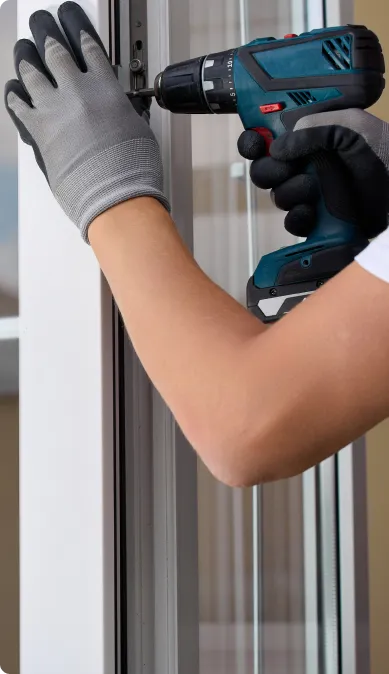
How do impact-resistant windows protect a Pensacola home?
Impact window replacement in Pensacola, FL, is about more than upgrading old glass. For Gulf Coast homeowners, the right windows can help protect against windborne debris, reduce heat gain, lessen everyday wear on your HVAC system, and make the home feel quieter and more secure. This guide explains what to look for, how installation choices affect performance, and how to compare local providers, including NewSouth Windows, without getting overwhelmed by sales language.
Impact-resistant windows are designed to stay intact when storms throw debris at a house. Instead of depending on a single pane of standard glass, they usually use laminated glass with a tough inner layer that helps keep broken pieces together if the outer surface is damaged. That matters in Pensacola because broken windows can let wind and rain inside, raising the risk of water damage, pressure changes, and costly repairs.

A quality impact window system includes more than just the glass. The frame, hardware, anchoring, sealants, and installation method all work together. A strong pane in a weak or poorly installed frame will not offer the same protection as a complete system that is installed correctly.
Look for products tested to recognized performance standards, such as AAMA-rated systems or products made for high-wind coastal conditions. Some homeowners also ask about High Velocity Hurricane Zone-style performance, even though code requirements can vary by location and project. The practical goal is simple: choose windows engineered for severe weather, installed by a crew that understands coastal Florida homes, and backed by documentation you can review before signing.
Why replacement windows are different on the Gulf Coast
Pensacola homes deal with heat, humidity, salt air, heavy rain, and seasonal storm threats. That mix makes window replacement more demanding than a basic cosmetic upgrade. A window that looks fine in a showroom still has to perform after years of sun exposure, materials expanding and contracting, wind-driven rain, and daily air-conditioning use.
Older windows often reveal their problems slowly. You may notice rooms that feel hotter than others, condensation between panes, sticky operation, drafts near the frame, or discoloration around trim. In coastal climates, these issues can point to worn seals, frame movement, hidden moisture, or inefficient glass.
Impact window replacement Pensacola, FL projects should balance storm protection with long-term comfort. The best result is not just a stronger window; it is a tighter building envelope. When windows fit properly and include energy-minded features, the home can feel more stable inside even when the weather outside is hot, wet, or windy.
The impact window features that matter most
Not every window labeled “impact” offers the same experience. Homeowners should compare the full assembly, not just the glass description. The details below affect protection, comfort, maintenance, and value.
Laminated impact glass
Laminated glass is central to many impact-resistant windows. It usually includes two layers of glass bonded around a durable interlayer. If struck, the glass may crack, but the interlayer helps keep fragments attached instead of letting them scatter into the room.
That same laminated construction can also reduce outside noise. For homes near busy roads, schools, airports, or active neighborhoods, this benefit can be noticeable. Storm protection may be the reason you start shopping, but day-to-day quiet can become one of the upgrades you appreciate most.
Strong frames and reinforced corners
Frames carry the load when wind presses against the window. Aluminum, vinyl, fiberglass, wood, and composite frames all have different strengths. Aluminum can be strong and economical, but it may not insulate as well as other materials unless designed with thermal breaks. Vinyl and fiberglass are popular for balancing performance, maintenance, and insulation. Wood offers a classic look and natural insulation, but it often requires more upkeep in humid climates.
Reinforced corners, secure locks, and durable hardware also matter. A window must close tightly and stay aligned over time. If the sash shifts, the seals can weaken, and the window may become harder to operate.
Energy-efficient glass packages
Energy-efficient windows often include Low-E coatings, insulated glass, and sometimes gas fills between panes. Low-E coatings help reflect heat, which is useful in Pensacola’s long cooling season. Better glass packages can help reduce heat transfer, soften glare, and support more consistent indoor temperatures.
Windows are a major source of energy loss in many homes, and inefficient units can make air conditioners work harder. While savings vary by home, orientation, shading, and installation quality, energy-efficient windows can improve comfort and may help reduce monthly energy waste.
Sealing, flashing, and water control
A strong window can still fail if water is not managed properly. Proper flashing, sealants, shims, and fastening patterns help direct moisture away from vulnerable areas. This is especially important in older Pensacola homes, where removal may uncover previous repairs, wood rot, or shifting frames.
Ask installers how they handle hidden damage. A careful company should be ready to explain what happens if it finds rotten framing, deteriorated trim, or moisture intrusion once the old unit comes out.
Full-frame replacement and pocket installation serve different needs
The two common approaches are full-frame replacement and pocket (insert) installation. Neither is automatically better for every home. The right choice depends on the condition of the existing frame, the age of the house, moisture concerns, design goals, and budget.
Full-frame replacement removes the entire old window unit, including the frame and often surrounding trim. This approach can be more involved and more expensive, but it gives the installer a better opportunity to inspect the opening, correct hidden problems, and create a cleaner long-term fit. It is often worth considering when the old frame is damaged, out of square, leaking, or poorly insulated.
Pocket installation places a new window inside an existing frame. It can be faster and less disruptive when the current frame is sound, square, and dry. However, it is not the right shortcut if the old frame is compromised. Installing a new unit into a weak frame can trap problems behind fresh materials.
Use this quick guide when discussing options with a contractor:
- Choose full-frame replacement when you see rot, recurring leaks, major drafts, warped frames, or damaged trim.
- Consider pocket installation when the existing frame is solid, square, and free of moisture damage.
- Ask for a frame inspection before committing to a method, especially in older or previously remodeled homes.
- Clarify trim work so you know what will be removed, replaced, painted, or left as-is.
- Confirm water-management details because flashing and sealing are just as important as the window itself.

What does impact window replacement cost in Pensacola?
Impact window replacement costs vary widely because every home is different. A simple window in a sound opening will usually cost less than a large custom unit, a specialty shape, or a full-frame replacement that reveals wood damage. As a broad planning range, homeowners may see prices from a few hundred dollars to more than a thousand dollars per window, depending on size, material, glass package, labor, and project complexity.
The lowest price is not always the best value. A cheaper window with weak insulation, limited warranty coverage, or poor installation can become expensive later. At the same time, the most expensive option is not always necessary for every room. The goal is to match the window to the exposure, the home’s condition, and your priorities.
Several factors influence the final proposal:
- Window size and style. Larger openings, picture windows, bays, and custom shapes usually cost more than standard single-hung units.
- Glass package. Laminated impact glass, Low-E coatings, and insulated units increase upfront cost but may improve protection and comfort.
- Frame material. Vinyl, fiberglass, aluminum, wood, and composite options differ in price, insulation, appearance, and maintenance.
- Installation method. Full-frame work is typically more involved than pocket installation.
- Condition of the opening. Rot, water damage, or out-of-square framing can increase labor and material costs.
- Permits and code requirements. Local requirements may affect product selection, documentation, and inspection steps.
- Warranty and service support. Stronger product and workmanship coverage can add value beyond the initial price.
If budget is a concern, ask whether the project can be phased by priority. Many homeowners start with the most exposed sides of the home, damaged windows, or rooms with the worst heat gain.
Energy-efficient windows add everyday comfort
Storm protection may drive the purchase, but energy performance affects how the home feels every day. In Pensacola, heat and humidity make efficient glass especially valuable. Rooms with older windows may feel warm even when the thermostat is set low, causing the air conditioner to run longer than necessary.
Energy-efficient windows can help by reducing heat transfer, limiting solar gain, and supporting a tighter seal. Low-E coatings are especially useful in sunny climates because they help manage radiant heat. Insulated glass units can also reduce the temperature difference between the indoor side of the glass and the outdoor air.
To compare options, ask for clear explanations rather than relying on vague labels. Terms like “premium,” “high performance,” or “hurricane-grade” should come with specifications, ratings, and written warranty details. You do not need to become a window engineer, but you should know what you are buying.
Useful questions include:
- What impact rating or testing documentation applies to this exact window model?
- Does the glass package include Low-E coating, insulated glass, or gas fill?
- What frame material is being recommended, and why is it suitable for Pensacola’s climate?
- How will the installer seal and flash the opening?
- What parts of the product and labor are covered by warranty?
- Who handles service if there is a problem after installation?
Choosing a local window company with confidence
A reliable installer should do more than quote a price. They should inspect the home, explain product choices, document the scope, and help you understand the tradeoffs. Since impact windows depend heavily on proper installation, the company you choose matters as much as the product line.
Local experience matters because Pensacola homes aren’t all built the same. A crew may work on older cottages, brick ranch homes, waterfront properties, newer subdivisions, and homes with prior storm repairs. Each situation can affect measurement, removal, sealing, and trim details.
When comparing providers, look for signs of a professional process:
- Detailed measurements rather than rough estimates based only on window count.
- Written product specifications that identify the window model, frame material, glass type, and color.
- A clear installation scope explaining whether the project is a full-frame or pocket replacement.
- Written warranty details for both product coverage and workmanship.
- Permit and inspection guidance so you know what is included.
- Responsive communication before the sale, not only after you commit.
- Clean jobsite practices to protect floors, landscaping, furniture, and surrounding finishes.
You may see regional or local names during your search, including NewSouth Windows and other replacement window companies serving Florida homeowners. Instead of choosing based on name recognition alone, compare the exact products, installation method, warranty language, financing options (if needed), and how clearly each company answers your questions.
Warranty coverage deserves close attention
A window warranty can be reassuring, but only if you understand what it covers. Some warranties cover the frame; others cover glass seal failure, hardware, screens, labor, or installation workmanship. Coverage may also vary depending on whether the product is transferred to a future homeowner.
Read the warranty before installation begins. Ask what happens if the glass seal fails, hardware breaks, water appears around the frame, or service is needed years later. A strong warranty isn’t just a promise; it should include a realistic service process.
Also ask whether the installer’s workmanship warranty is separate from the manufacturer’s product warranty. This distinction matters because product defects and installation issues are different problems. If a leak occurs because the opening was not sealed correctly, you need to know who is responsible.
Maintenance helps windows last in coastal conditions
Impact windows are designed for durability, but they are not maintenance-free. Coastal air, humidity, wind-driven grit, and frequent rain can wear on tracks, frames, screens, and hardware. A simple maintenance routine can help preserve operation and appearance.
Clean glass and frames with mild soap and water, avoiding abrasive pads or harsh chemicals unless the manufacturer specifically approves them. Rinse tracks and weep holes so water can drain properly. Check locks and moving parts periodically, and report sticking, gaps, or unusual condensation early.
A practical seasonal checklist includes:
- Wash exterior glass and frames after heavy salt, pollen, or storm exposure.
- Clear tracks, sill channels, and weep holes so water does not pool.
- Inspect caulk and sealant lines for cracks, shrinkage, or separation.
- Operate each window to confirm it opens, closes, and locks smoothly.
- Check screens for tears and make sure they sit properly in the frame.
- Review warranty care instructions before using cleaners or lubricants.
Before hurricane season, walk around the home and look closely at vulnerable openings. If you see damaged seals, loose trim, fogging between panes, or water stains near a window, schedule an inspection rather than waiting for severe weather.
Sustainable choices and financing can shape the project
Many homeowners want stronger windows without creating unnecessary waste or financial strain. Sustainable choices can include selecting long-lasting products, improving energy efficiency, replacing only what is needed, and choosing materials with lower maintenance demands. The most sustainable window is often the one that performs well for many years and prevents repeated repairs.
Financing may also affect timing. Some window companies offer payment options, while others can explain whether promotional plans are available. Because terms change, ask for current details in writing, including interest rates, payment schedules, fees, and what happens when a promotional period ends.
If you are planning other improvements, coordinate the order of work. Siding, exterior painting, stucco repair, interior trim replacement, and window installation can overlap. Planning ahead can reduce duplicate labor and help the finished project look more intentional.
A practical path from research to installation
Replacing windows is a major home project, so it helps to break it into stages. Start by identifying why you are replacing them: storm protection, high energy bills, leaks, noise, appearance, insurance documentation, or resale preparation. Your reasons will guide the product and installation choices.
Next, inspect the home room by room. Note windows that are hard to open, fogged between panes, visibly damaged, unusually hot, or near water stains. Take photos and share them during estimates so each company can discuss the same conditions.
Before choosing a contractor, gather at least a few comparable proposals. Make sure each one lists the same basic information: window count, sizes, style, material, glass package, installation method, trim work, warranty, and exclusions. If one quote is much lower, find out exactly what is missing.
A good decision balances protection, comfort, appearance, service, and budget. Impact-resistant windows are not a small purchase, but in a storm-prone coastal area, they can be a practical investment in the home’s resilience and daily livability.
The takeaway for Pensacola homeowners
Approach window replacement in Pensacola, FL as a whole-home performance upgrade, not just a glass swap. The right windows can improve storm readiness, reduce heat transfer, limit outside noise, and refresh your home’s look. The best results come from matching tested products with careful installation and clear warranty support.
Take your time comparing materials, glass packages, installation methods, and local providers. Ask direct questions, request written details, and choose a company that explains the process clearly. When impact-resistant windows and energy-efficient windows are installed correctly, they can help your Pensacola home feel safer, quieter, and more comfortable through everyday weather and storm season alike.

Does NewSouth Window Solutions offer impact window replacement in Florida?
Yes. NewSouth Window Solutions advertises impact-resistant replacement windows in Florida, including through its Pensacola location. If you are planning a project, confirm that the company serves your address and ask which impact-rated products are available for your home. Request details about installation scheduling and who handles permits and inspections.
Are NewSouth windows suitable for hurricane-prone areas?
NewSouth offers impact-resistant window options, but suitability depends on the specific product and how it is installed. Ask for the proposed model’s impact-testing documentation, design-pressure ratings, and applicable product approvals. Have the provider explain how the selected windows and installation meet the requirements for your home’s location and openings.
How much does NewSouth window replacement cost?
NewSouth window replacement costs vary based on the number of windows, their sizes and styles, glass options, impact ratings, and installation requirements. Repairs to existing openings can also affect the total. A written quote for your home should outline the selected products, installation scope, included services, potential additional charges, and payment terms.
How long does a NewSouth window replacement project take?
The timeline for a NewSouth window replacement project depends on the selected products, order processing, product availability, installation scheduling, and any required permits or inspections. The installation itself is one part of the overall schedule. Your project estimate should outline expected milestones, while your NewSouth representative can provide updates about changes caused by weather, delivery delays, or unexpected installation conditions.
Does NewSouth offer energy-efficient windows?
Yes. NewSouth describes energy-efficient features such as Low-E glass and insulated glass packages in its window offerings. Ask for the energy-performance specifications for the exact windows quoted, including U-factor and solar heat gain coefficient (SHGC). These details help you compare proposals more accurately than broad claims about energy savings.
How can I compare NewSouth with other Pensacola window companies?
Compare written proposals using the same project scope. Review the exact window models, impact ratings, glass packages, frame materials, installation methods, and finishing work. Then compare warranties, payment terms, estimated timelines, and service procedures. A lower price may reflect a different product or fewer included services, so ask each company to explain any differences.
Who handles permits and inspections for the project?
Confirm in writing who is responsible for determining permit requirements, submitting paperwork, paying applicable fees, and scheduling inspections. Ask whether those services are included in the quote. Before closing out the project, request copies of any applicable permits and final inspection documentation.
Can NewSouth help with phased window replacement?
Ask whether your project can be divided into separate phases and request pricing for each phase. Discuss which windows should receive priority based on damage, operation, exposure, and comfort concerns. Also ask how separate installation visits could affect pricing, product availability, and consistency in appearance throughout the home.
How should I prepare my home for window installation?
Request preparation instructions before installation day. Ask how much space installers need around each opening and whether you should remove window treatments, move furniture, or protect nearby belongings. Confirm arrangements for pets, access to the property, and debris.