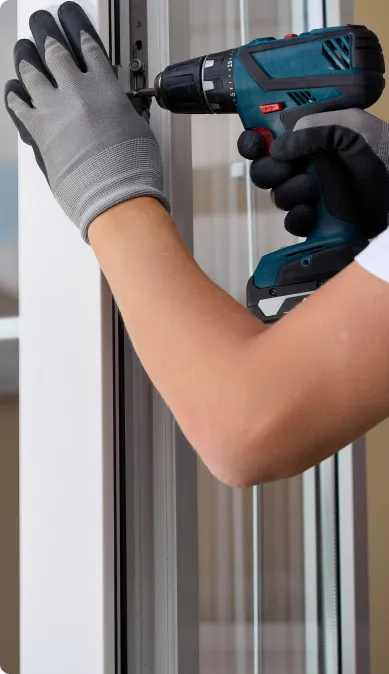
Window Replacement in Orlando, Florida by NewSouth Windows
Replacing windows in Orlando is about more than updating a home’s look. The right project can improve comfort, help manage heat and glare, support better storm readiness, and make everyday living feel easier. For homeowners comparing window replacement Orlando options, NewSouth Windows can be part of the conversation when you want a local-focused approach to residential window replacement and a clear path toward practical, long-term value.
What should Orlando homeowners know before replacing windows?
Orlando homeowners should know that replacement windows need to handle heat, humidity, bright sun, heavy rain, and seasonal storm concerns. A good window replacement project should consider how each room feels, how the home is built, what style fits the property, and what level of performance makes sense for the budget. Instead of choosing windows by appearance alone, it is smarter to think about comfort, durability, installation quality, and the total value of the upgrade.
That mindset helps you avoid a common mistake: shopping only for the lowest upfront price. Affordable window replacement should not mean choosing the cheapest product with little attention to fit, materials, glass, or installation. It means finding windows that meet your needs without unnecessary extras, while still protecting your home and supporting daily comfort.
Orlando homes face conditions that can quickly reveal the weaknesses of older windows. If a room feels hot in the afternoon, condensation appears between panes, or frames are hard to open, the issue isn’t just cosmetic. It may signal that the window system is no longer performing as it should.
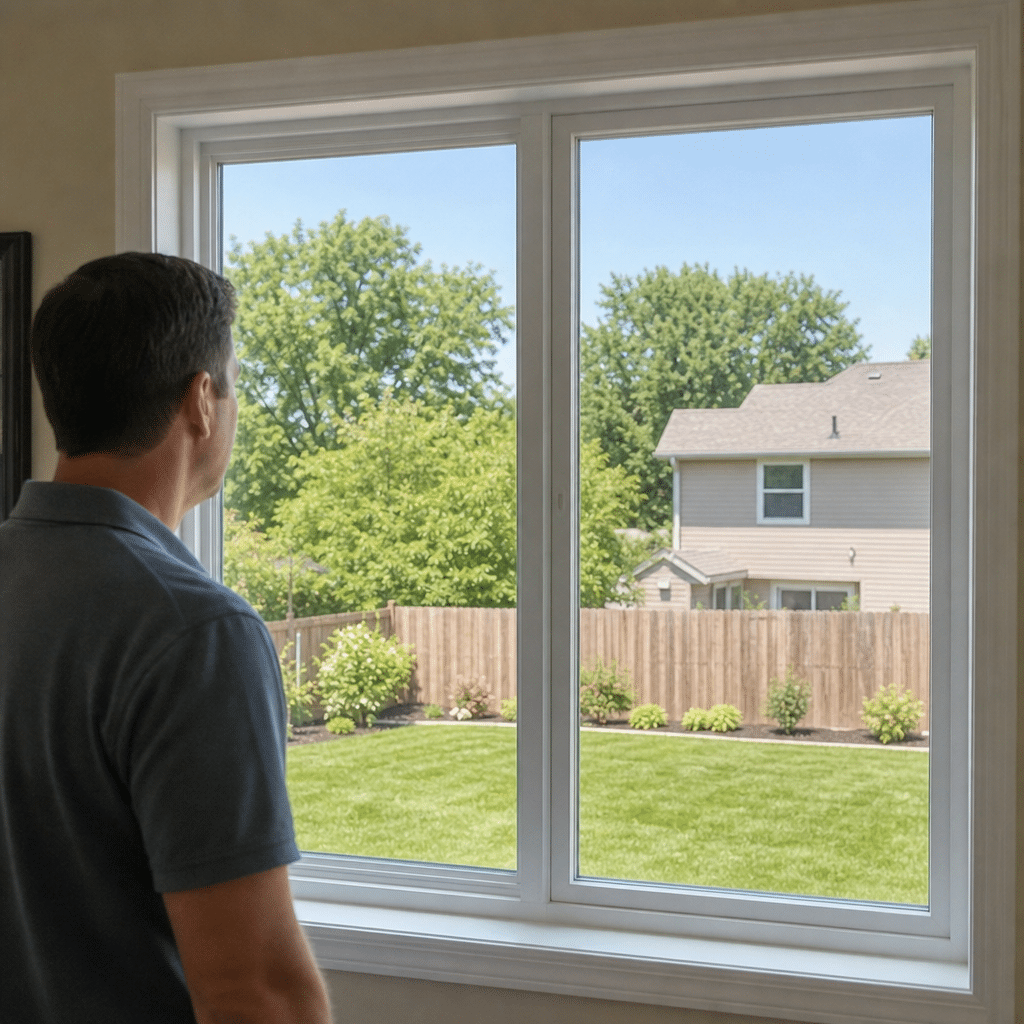

Orlando’s climate changes what homeowners need from windows
Window replacement in Central Florida comes with a different set of priorities than it might in a cooler, drier region. Orlando homeowners often think first about air conditioning costs, but comfort is only one part of the picture. Sun exposure, humidity, rain, wind, and curb appeal all matter when choosing new windows.
Older windows may let warm outdoor air creep inside or conditioned indoor air escape. Even when the air conditioner is working, rooms can feel uneven if the windows are no longer sealing well. This can make some spaces uncomfortable while others feel fine, especially in homes with large glass areas or rooms that face direct sun.
Humidity is another factor. Florida homes need materials and installation practices that help reduce moisture problems around openings. A replacement window should fit properly, operate smoothly, and be sealed carefully to protect the surrounding wall area as much as possible.
Heat and sunlight affect daily comfort
Strong sunlight can make a living room, bedroom, or home office feel warmer than the thermostat suggests. If you have blinds closed most of the day just to make a room usable, your current windows may not support how you want to live. New windows can help create a more balanced indoor environment when you choose the right glass options and frame.
This matters for more than comfort. A room that stays cooler and brighter without harsh glare can be more enjoyable throughout the day. Whether you work from home, entertain guests, or simply want a better place to relax, window performance can change how a space feels.
Rain and storms make installation quality essential
In Orlando, replacement windows must do more than look good on a sunny day. They need to be installed with attention to fit, sealing, and the details around the opening. A quality product can still underperform if the installation is rushed or the window isn’t suited to the home.
That is why homeowners should ask about the full process, not just the window unit itself. The best results come from matching the product, the opening, and the installation approach. For residential window replacement, planning and workmanship matter as much as the window style.
Signs it may be time for residential window replacement
Not every window problem requires immediate replacement, but certain signs deserve attention. Some are easy to see, while others show up in how the home feels from day to day. If several issues are happening at once, replacement may be more practical than repeated repairs.
Common signs include:
- Drafts or air leaks: You feel warm air near the window, or notice rooms are hard to keep comfortable.
- Condensation between panes: Moisture trapped inside the glass can point to seal failure.
- Hard-to-open windows: Windows that stick, jam, or refuse to lock may have frame or balance issues.
- Visible damage: Don’t ignore cracked frames, soft spots, warping, or water staining.
- Outside noise: If traffic, landscaping equipment, or neighborhood sounds feel unusually loud, the windows may not be insulating well.
- Faded interiors: Strong sunlight can fade furniture, flooring, and décor.
- Outdated appearance: Old windows can make an otherwise well-kept home look tired from the street.
A single issue may have a simple explanation, but a pattern often tells a bigger story. For example, if multiple windows are difficult to lock and several rooms feel warmer than they should, the home may benefit from a coordinated replacement plan. This can be especially helpful if the windows are similar in age and condition.
Homeowners sometimes delay replacement because the windows are still technically “working.” But a window that opens, closes, and stays in place may still be underperforming. If you are changing how you use your home, preparing to age in place, remodeling, or improving curb appeal before a future sale, replacement can be a practical upgrade rather than a last-minute fix.
How do you choose the right replacement windows for an Orlando home?
Choose the right replacement windows by matching the window style, frame material, glass package, performance needs, and installation plan to your home’s layout and priorities. Orlando homeowners should consider which rooms get the most sun, which openings need better ventilation, and which window designs will complement the architecture. A consultation with a window professional can help translate those needs into a realistic project scope.
Start with how each room functions. A bedroom may need quiet, privacy, and easy operation. A kitchen may need ventilation and a window style that works around counters or sinks. A living room may need more glass to bring in natural light without making the space feel overheated.
Then consider the exterior. Windows have a major effect on curb appeal because they shape the home’s face. The grid pattern, frame color, proportions, and style should match the rest of the house. A well-chosen replacement can refresh the home without looking out of place.
Window styles affect ventilation, cleaning, and appearance
Different window styles serve different purposes. The right mix can make a home more comfortable and easier to maintain.
- Single-hung or double-hung windows: Often used in bedrooms and common areas, these provide a familiar look and can work well in many home styles.
- Horizontal sliding windows: Useful where a side-to-side opening makes more sense than an up-and-down operation.
- Casement windows: Hinged windows can offer strong ventilation and a clean, open view when the layout supports them.
- Picture windows: Fixed windows work well where the goal is natural light and a clear view rather than airflow.
- Specialty shapes: Arched, round, or custom-shaped windows can preserve architectural character or create a focal point.
The goal is not to choose one style for every opening automatically. A thoughtful residential window replacement plan looks at each area of the home and decides what makes sense. Sometimes matching the existing style is best; other times, a different configuration can improve how the room functions.
Glass options matter in sunny rooms
Glass is a major part of window performance. In a warm climate, homeowners often want to reduce heat gain while still letting in natural light. The right glass package can help a bright room feel more usable without making the space dark or closed off.
When comparing options, ask how the glass is designed to perform in Florida conditions. You don’t need to become a technical expert, but you should understand the practical difference between basic glass and upgraded options. A clear explanation should connect the product features to real-life benefits, such as comfort, reduced glare, or improved indoor consistency.
Frame quality supports long-term performance
Frames hold the system together, so they matter as much as the glass. In Orlando, frames need to withstand heat, moisture, and regular use. They should open and close smoothly, lock securely, and keep their shape over time.
This is also where installation and measurement become important. Even a well-made window needs to fit properly. If the opening isn’t evaluated carefully, performance can suffer, and the finished look may not be as clean as expected.
Affordable window replacement is about value, not shortcuts
Affordable window replacement does not mean cutting corners. It means making smart choices about where to invest, what to prioritize, and how to avoid paying for features that do not serve your home. A good project balances product quality, installation, comfort, appearance, and budget.
For many homeowners, the most affordable solution is not always the smallest project or the cheapest unit. Replacing the worst-performing windows first may help if you need to phase the work. Replacing many windows at once may create a more consistent look and simplify planning. The right approach depends on your home, your budget, and your goals.
A practical way to think about affordability is to separate “price” from “cost.” Price is what you pay upfront. Cost includes the experience of living with the windows, maintaining them, and dealing with problems if the project is not done well. A low price can be frustrating if the windows are difficult to operate, look mismatched, or don’t address the comfort issues that led you to shop in the first place.
A value-focused checklist for homeowners
Before you commit to a window replacement project, use this checklist to keep the conversation grounded:
- Identify your top problem: Heat, drafts, noise, appearance, operation, or storm concerns.
- Prioritize rooms: Decide which windows affect daily comfort the most.
- Ask about product options: Understand the differences in frame, glass, style, and performance.
- Review the installation process: Know how they handle measurements, removal, sealing, and cleanup.
- Clarify warranty details: Ask what is covered, who supports it, and what could void coverage.
- Discuss project timing: Understand how long the process may take from consultation to installation.
- Compare value, not just price: Look at product quality, fit, service, and long-term usability.
This checklist can help you have a more productive conversation with NewSouth Windows or any window provider you are considering. It also reduces the chance of choosing based on a single number without understanding what is included.
What happens during a window replacement project?
A window replacement project typically starts with a consultation, continues with measurements and product selection, and ends with installation, cleanup, and a final review. The exact process can vary by home and provider, but homeowners should expect clear communication at each stage. Knowing the steps ahead of time makes the project feel more manageable and helps you prepare your home.
Most homeowners don’t replace windows often, so it is normal to have questions. A good process should not feel rushed or confusing. You should know what is being replaced, what style is being installed, how the work area will be handled, and what to check when the job is complete.
A typical replacement journey
- Initial conversation: You discuss your goals, concerns, and the areas of the home that need attention. This is the time to mention comfort problems, sticking windows, moisture concerns, noise, or design preferences.
- In-home review or consultation: A professional evaluates the existing windows and openings. They may look at operation, condition, size, and how each window fits the home’s design.
- Product selection: You choose window styles, frame options, glass options, colors, and other details. The best choices should connect directly to your goals, not feel like a list of unrelated upgrades.
- Measurements and ordering: Accurate measurements help ensure the windows are made or selected to fit the openings properly. This step is important for appearance, performance, and installation efficiency.
- Installation preparation: Homeowners may need to move furniture, remove window treatments, clear access paths, and protect nearby items. Your installer should tell you what to do before the installation date.
- Window removal and installation: Your installer will remove the old units, prepare the openings, and install the new windows. Proper sealing, alignment, and fastening are critical at this stage.
- Cleanup and walkthrough: After installation, the installer should clean the work area, and you should review the new windows. You should understand how they open, lock, clean, and function.
This process can be straightforward when expectations are clear. If you are planning a larger residential window replacement project, ask whether the work will be completed in phases and how access to different rooms will be managed.
Preparing your home before installation day
A little preparation can make window installation smoother. The goal is to give the installation team safe access to each opening and protect belongings near the work area. Even if the provider handles most of the heavy lifting, homeowners can help by clearing space and planning ahead.
Start by removing curtains, blinds, plants, wall décor, and fragile items near the windows. If possible, move furniture away from the openings. If you have pets, arrange a safe, quiet place for them during the work, especially while doors are being opened and workers move in and out.
Also consider your daily schedule. Some rooms may be temporarily unavailable, and there may be noise during removal and installation. If you work from home, plan calls or focused tasks around the most active parts of the project.
Simple homeowner preparation list
- Clear at least a practical working area around each window.
- Remove window treatments before installers arrive, unless told otherwise.
- Take down delicate items from nearby walls and shelves.
- Deactivate or discuss any window sensors tied to a security system.
- Keep children and pets away from work zones.
- Ask where installers will park and stage materials.
- Confirm who will handle disposal of old windows and jobsite cleanup.
These steps may seem small, but they can prevent delays and protect your belongings. They also help the installers focus on the details that matter most: fit, sealing, operation, and finish.
Design choices that make replacement windows feel intentional
Replacement windows should not look like an afterthought. They should feel connected to the architecture, interior style, and way the home is used. This is especially important in Orlando neighborhoods where homes can vary widely in age, layout, and exterior design.
Frame color is one of the most visible choices. A bright white frame may create a clean, classic look, while a darker frame can add contrast and a more modern feel. The right choice depends on the roof, trim, exterior paint, and interior finishes.
Grid patterns also make a difference. Some homes look best with simple, unobstructed glass, while others benefit from divided-light patterns that add character. If your home already has a strong architectural style, the replacement windows should respect it rather than fight it.
Interior comfort and exterior curb appeal should work together
It is easy to focus on the outside of the home, but you will experience the windows from the inside every day. Think about sightlines from sofas, beds, desks, and kitchen sinks. Consider where you want more light, where you want privacy, and where you want better airflow.
The best replacement choices satisfy both sides of the wall. From the street, they improve curb appeal. From the inside, they make rooms feel brighter, calmer, more comfortable, and easier to use.
Questions to ask before choosing NewSouth Windows
If you are considering NewSouth Windows for window replacement in Orlando, go into the conversation with clear questions. This helps you understand the products, the process, and the project’s value. It also helps ensure the recommendation is based on your home, not a one-size-fits-all package.
Helpful questions include:
- What window styles best suit my home’s current openings?
- Which glass options make sense for rooms that get strong sun?
- How do you measure and prepare each opening before installation?
- What should I expect on installation day?
- Who performs the installation, and how is the work reviewed?
- What warranty information should I understand before signing?
- Are there options if I want to replace windows in phases?
- What maintenance will the new windows require?
- How can I balance appearance, performance, and affordability?
The answers should be specific enough to help you make a confident decision. You do not need to be pressured into every available upgrade. You need a clear explanation of what each choice does and why it may or may not be right for your home.
Common mistakes to avoid when replacing windows
Window replacement is a meaningful home improvement project, so it pays to slow down and avoid common mistakes. The biggest mistake is treating all windows as the same. Two products may look similar at a glance but perform differently once installed in a real home.
Another mistake is ignoring installation quality. Homeowners sometimes spend a lot of time choosing the window style but very little time asking how the installation will be handled. The finished result depends on both.
A third mistake is focusing only on today’s budget without thinking about long-term satisfaction. Affordable window replacement should still solve the problems that made you consider new windows. If you choose a lower-cost option that does not address heat, operation, or appearance, you may not feel the project was worthwhile.
Avoid these decision traps
- Choosing based only on the lowest quote.
- Replacing one visible window without considering how it matches the rest of the home.
- Forgetting to ask about permits, requirements, or local considerations when applicable.
- Overlooking how windows open, clean, and lock.
- Ignoring rooms with the worst comfort problems.
- Assuming every glass option performs the same.
- Waiting until damage becomes more expensive to address.
A good provider should help you avoid these traps by explaining the options clearly. The goal is not to overwhelm you with technical details. It is to give you enough information to make a decision that fits your home and your priorities.
When a phased replacement plan makes sense.
Some homeowners want to replace every window at once. Others prefer to phase the project based on budget, urgency, or remodeling plans. Both approaches can be reasonable.
A whole-home project may create a consistent look and address comfort issues throughout the house. It can also simplify planning because you evaluate all windows together. If many windows are the same age or show similar problems, it may be worth discussing this approach.
A phased plan may make sense if only a few windows are causing major problems or if you need to spread the investment over time. In that case, start with the rooms where replacement will make the biggest difference. Bedrooms, main living areas, and heavily sun-exposed rooms are often high priorities.
If you phase the work, keep design consistency in mind. Ask whether the same or similar window style will be available later and how future replacements can match the first phase. A little planning now can prevent a patchwork look later.
Replacement windows can support everyday living
The best window replacement projects are about more than building materials. They change how a home feels. Rooms may cool more easily, windows may open more easily, and the home may look more polished from the street.
For families, that can mean more comfortable bedrooms and common areas. For remote workers, it can mean better natural light and fewer distractions from heat or noise. For homeowners who enjoy entertaining, it can mean brighter, more inviting living spaces.
This is why it helps to talk about lifestyle during the consultation. Tell the provider which rooms bother you most and how you use them. A good recommendation should reflect real life, not just a product catalog.
A practical path to window replacement in Orlando
If you are ready to explore window replacement Orlando options, begin with a simple review of your home. Walk room by room and note what is not working. Look for windows that are hard to open, rooms that heat up quickly, foggy glass, and worn frames.
Then decide what matters most: comfort, appearance, operation, storm readiness, budget, or a mix of several priorities. This will help you have a focused conversation with NewSouth Windows and compare recommendations more clearly. You don’t need to know every technical term before you begin; you just need to understand your goals and ask good questions.
Residential window replacement works best when the product, installation, and homeowner priorities align. Affordable window replacement is possible when value guides the decision instead of shortcuts. With thoughtful planning, Orlando homeowners can choose windows that look right, function well, and make the home feel better every day.