Living in the Tampa Bay area offers a fantastic lifestyle, beautiful beaches, vibrant culture, and year-round sunshine.
However, that famous sunshine, coupled with intense humidity and the ever-present threat of severe tropical storms, can take a massive toll on your home’s exterior. If your home is struggling to stay cool or you feel uneasy every time a hurricane warning is issued, it is likely time for an upgrade.
Finding the best replacement windows in Tampa, FL is about much more than just boosting your home’s curb appeal. It is about fortifying your property against extreme weather, drastically lowering your energy bills, and protecting your family.
In this comprehensive guide, we will walk you through exactly what to look for when upgrading your windows, from impact ratings and glass types to finding the right professionals to handle the job.
Signs It’s Time to Replace Your Windows
Before diving into the specifications of new windows, it helps to know if your current ones are actually past their prime. Aside from obvious physical damage, such as cracked glass or rotting wood, there are subtle signs that your windows are failing.
One of the most common issues in humid climates is broken seals. Knowing how to identify window seal failure can save you thousands in hidden energy costs. Look for:
- Condensation between the glass panes: If the glass looks permanently foggy or has moisture trapped inside that you cannot wipe away, the insulating argon gas has escaped.
- Drafts around the frame: If you feel warm air seeping in during a July afternoon, your weatherstripping or the window frame itself has warped.
- Difficulty opening and closing: Windows that stick or refuse to stay open have often suffered structural warping from years of heat expansion.
Beating the Heat: Prioritizing Energy Efficiency
Tampa summers are notoriously long and relentless. Therefore, investing in energy-efficient windows for Florida heat is non-negotiable. The right glass technology acts as an invisible shield against the sun.
Insulation: Panes and Gases:
When evaluating energy-efficient windows, you will frequently encounter debates regarding double-pane vs triple-pane insulation.
- Double-pane windows feature two layers of glass with an insulating gas (usually argon) sealed between them. For most homes in Tampa, double-pane is the sweet spot for cost-effectiveness and excellent thermal performance.
- Triple-pane windows add a third layer of glass and a second gas-filled space. While they offer superior insulation and soundproofing, the cost is significantly higher, and the heavy weight can sometimes be overkill for Central Florida’s climate compared to colder northern states.
Glass Coatings and UV Protection:
To truly combat the sun, you need Low-Emissivity (Low-E) coatings. Lowering cooling bills with low-E glass is highly effective because these microscopically thin metallic layers reflect radiant heat away from your home while still letting natural light in.
Furthermore, Low-E glass serves as the best window glass for UV protection. It blocks up to 95% of harmful ultraviolet rays, protecting your hardwood floors, artwork, and expensive furniture from sun-fading over time.
Certification Standards:
When shopping, always check the Energy Star-certified window requirements. For the Southern climate zone (which includes Tampa), Energy Star mandates a Solar Heat Gain Coefficient (SHGC) of 0.25 or lower, ensuring the window blocks a massive amount of solar heat.

Hurricane Readiness: Building Codes and Impact Ratings
In Florida, a window isn’t just something you look through; it is a critical component of your home’s structural defense system. When severe tropical weather strikes, a breached window can lead to catastrophic internal pressurization, potentially blowing the roof off a home.
Navigating Local Building Codes
The Florida building codes for window replacement are some of the strictest in the nation. In Tampa and surrounding Hillsborough and Pinellas counties, homes are located in Wind-Borne Debris Regions (WBDR). This means any new window installation must either utilize impact-resistant glass or be accompanied by approved exterior storm shutters.
Understanding Impact Specifications
If you opt for impact windows, which most local experts highly recommend for convenience and safety, you need to understand hurricane impact window ratings. These ratings, known as Design Pressure (DP) ratings, measure a window’s ability to withstand wind, water, and structural loads. A higher DP rating means a stronger window.
Additionally, manufacturers must adhere to strict impact-resistant glass thickness standards. True impact windows are made with laminated glass, typically consisting of two panes of glass bonded together by a strong polyvinyl butyral (PVB) or SentryGlas Plus (SGP) interlayer. This glass usually ranges from 5/16″ to 9/16″ in thickness. Even if the outer glass cracks from flying debris, the shatterproof inner layer holds the window intact, keeping the hurricane outside.
Material Matters: Selecting the Right Frames
Choosing the right glass is only half the battle; the frame material is equally important, especially considering the local climate.
When analyzing vinyl vs aluminum windows for coastal homes, homeowners must weigh durability against energy efficiency:
- Vinyl Windows: High-quality vinyl is incredibly energy-efficient because it does not conduct heat. It is also highly resistant to moisture and rot. However, in extreme Florida heat, low-budget vinyl can warp, so choosing a premium, high-impact vinyl is crucial.
- Aluminum Windows: Aluminum is incredibly strong, making it historically popular for hurricane impact windows. However, metal conducts heat, which can reduce energy efficiency. Today’s high-end aluminum windows use “thermal breaks” to solve this issue.
If you live close to the bay or the Gulf, you must prioritize salt-air-resistant window frames. Airborne salt can rapidly corrode standard metals and degrade poor-quality plastics. Premium composite materials or marine-grade, powder-coated aluminum are excellent choices to prevent coastal corrosion.

Budgeting for Your Upgrade
A common question homeowners ask is about the average cost of full house window replacement in the Tampa market.
Because prices fluctuate based on materials, size, and labor, giving a single number is difficult. However, for a standard single-family home (roughly 10 to 15 windows), you can expect to invest anywhere from $10,000 to $25,000+.
- Standard, non-impact energy-efficient windows fall on the lower end of that spectrum.
- Heavy-duty, custom-sized hurricane impact windows will push toward the higher end.
While this is a significant investment, keep in mind that the best replacement windows Tampa, FL offers will yield a high return on investment. You will see immediate reductions in your monthly TECO or Duke Energy bills, enjoy discounts on your homeowner’s insurance premiums, and significantly boost your property’s resale value.
The Installation Process Explained
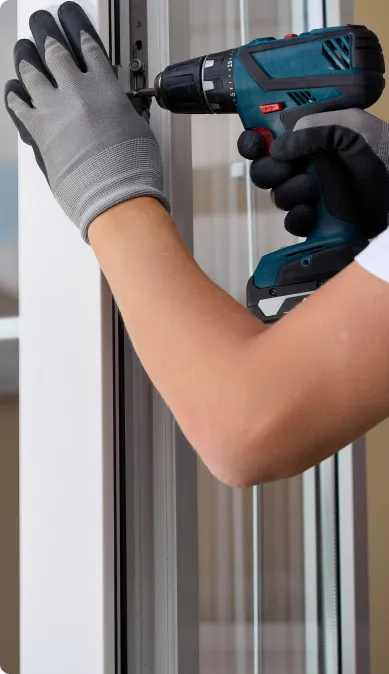
Even the highest-quality impact window will fail if it is installed incorrectly. Water intrusion and draftiness are almost always the result of poor workmanship rather than defective products. This is why proper window installation in Tampa is vital.
Here are the essential steps for professional window installation that your contractor should follow:
- Pre-Installation Measurement: Measuring windows for custom replacement is a precise science. Windows must be measured down to the eighth of an inch to ensure a snug fit that doesn’t strain the home’s structural framing.
- Careful Removal: The team will carefully extract the old windows, ensuring no damage occurs to your home’s stucco, brick, or interior drywall.
- Waterproofing and Flashing: Before the new window goes in, the team thoroughly cleans the opening and lines it with waterproof flashing tape to prevent future leaks.
- Setting and Plumbing: The new window is placed into the opening, shimmed, and perfectly leveled. If a window is installed out of plumb, the locking mechanisms will eventually fail.
- Securing to Code: The window is anchored into the concrete block or wood frame using heavy-duty, code-approved fasteners designed to withstand hurricane-force wind loads.
- Insulating and Sealing: Installers will use low-expansion polyurethane foam around the frame to block thermal transfer, followed by a high-quality, UV-resistant exterior silicone sealant to waterproof the edges.
How to Find the Right Professional Partner
The final and most crucial step is choosing a certified window contractor in Tampa. With so many companies operating in Central Florida, you need to know how to separate the experts from the amateurs.
Follow these actionable tips when hiring:
- Verify Licensing and Insurance: Ensure the contractor holds a valid Florida General Contractor (CGC) or Specialty Glass and Glazing license. They must also carry robust liability and workers’ compensation insurance.
- Look for Factory Certification: Many top-tier manufacturers require installers to undergo specific training to install their products. Using a certified installer ensures your warranties remain valid.
- Ask About Permitting: A reputable company will handle all the local permitting and schedule the necessary county or city inspections. Never work with a contractor who asks you to pull the permit yourself.
- Check Local Portfolios: Look for a company with a strong history of completing installations in Tampa neighborhoods similar to yours. Check their reviews for mentions of promptness, cleanliness, and post-installation support.

Upgrading your home’s exterior doesn’t have to be stressful. By recognizing the signs of failing seals, understanding the nuances of low-E glass, and prioritizing strict Florida building codes, you are already well on your way to making an informed decision.
Whether you are looking to lower your cooling bills, silence the noisy street outside, or protect your family from the next major hurricane, investing in the best replacement windows in Tampa, FL is a choice that pays dividends for decades. Take your time, do your research, and partner with a certified local contractor who understands the unique demands of the beautiful yet challenging Florida climate.