Weather the Florida Storm Season with Hurricane Impact Windows
Living in South Florida offers a lifestyle unlike anywhere else. From the vibrant coastal culture to the year-round sunshine, it is easy to see why so many people flock to the area. However, that tropical beauty comes with a distinct trade-off: the annual Atlantic hurricane season. When it comes to safeguarding your property against severe weather, choosing the right Hurricane windows for your home in West Palm Beach, FL, is one of the most critical decisions you will ever make.
Upgrading your home’s defense system is not just about boarding up when a storm approaches; it is about creating a permanent, reliable barrier. In this comprehensive guide, we will explore everything you need to know about impact-resistant windows, from technical specifications and local building codes to financing options and everyday benefits.
Why South Florida Homes Need Impact-Resistant Windows
Standard glass is highly vulnerable to flying debris. During a hurricane, a broken window is more than just a mess—it is a structural hazard. When a window shatters, high-speed winds rush into your home, creating immense internal pressure that can literally lift the roof off your house.
To combat this, manufacturers developed impact-resistant windows. These windows are engineered using heavy-duty frames and laminated glass, which consists of two panes of glass bonded together with a clear, strong interlayer (usually polyvinyl butyral or SentryGlas Plus). Even if the outer glass cracks from a heavy impact, the inner layer holds the shattered pieces together, keeping the elements out.
If you are currently shopping for hurricane windows in West Palm Beach, FL, residents trust, you will quickly notice that modern engineering has made these products virtually indistinguishable from traditional windows, offering uncompromising strength without sacrificing aesthetic appeal.

Impact Windows vs. Storm Shutters: Which is Better?
Homeowners often debate whether to install permanent windows or rely on traditional shutters. When doing an impact windows vs storm shutters comparison, several distinct factors come into play:
- Convenience and Deployment: The biggest drawback of storm shutters is the labor required to deploy them. Whether you are climbing a ladder to screw in metal panels or wrestling with accordion shutters, it is a time-consuming process. Impact windows provide 24/7, passive protection. You never have to rush home to secure your house.
- Aesthetics and Light: Shutters block out all natural light, leaving you in a dark cave during power outages. Impact windows let the light in and maintain your home’s curb appeal.
- Security: Because they are nearly impossible to shatter, impact windows act as an incredible deterrent against burglars year-round.
While shutters might have a lower upfront cost, the convenience, aesthetic, and continuous protection of impact windows make them the superior choice for modern homeowners.
Understanding Technical Specifications and Building Codes
Florida has some of the strictest building codes in the world, and navigating them can feel overwhelming. When evaluating window options, there are a few technical benchmarks you must understand.
The Gold Standard: Miami-Dade Approvals:
For a window to be legally sold as “impact-resistant” in the most storm-prone areas of Florida, it must pass rigorous testing. You will often hear about Miami-Dade County product approval. This certification means the window has survived extensive testing, including being shot with a 9-pound 2×4 piece of lumber at 34 mph, followed by 4,500 wind pressure cycles. Even though West Palm Beach is slightly north of Miami, many homeowners and contractors insist on this level of certification for maximum peace of mind.
High Velocity Hurricane Zones (HVHZ):
While parts of Palm Beach County fall under standard wind-borne debris regions, properties located exceptionally close to the coast may require High Velocity Hurricane Zone compliance. Windows rated for the HVHZ are engineered to withstand the absolute worst-case scenario winds.

Design Pressure Ratings:
A crucial part of selecting the right window is understanding how to calculate design pressure ratings (DP). The DP rating indicates the amount of wind pressure a window can withstand without failing. Calculating the required DP for your specific home involves complex math that factors in the building’s height, its location (coastal vs. inland), and the specific zone on the house (corners experience higher wind pressure than the center of a wall). A qualified contractor will calculate these ratings to ensure the products they install meet or exceed the structural requirements of your home.
The Financial Side: Costs, Discounts, and Financing
A common question among homeowners is: are impact windows worth the investment? While the upfront costs can be substantial, the long-term financial benefits heavily offset the initial price tag.
Installation Costs:
The total cost of impact window installation in Florida varies widely based on the size of your home, the number of openings, and the type of frames you choose. On average, homeowners might spend anywhere from $10,000 to $30,000 for a whole-house installation. However, this upgrade significantly boosts your property value and curb appeal.
Insurance Benefits:
One of the most immediate financial returns comes from your homeowner’s insurance. Florida law requires insurance companies to offer Florida insurance discounts for hurricane protection. By installing impact windows on every opening of your home (including doors and skylights), you can qualify for substantial wind mitigation credits, drastically lowering your annual premiums.
Paying for Your Upgrade:
If you do not want to pay out of pocket, there are numerous ways to fund this project. A comprehensive guide to financing hurricane home improvements will typically point you toward options like PACE (Property Assessed Clean Energy) financing, which allows you to pay for the windows through your property taxes. Home equity lines of credit (HELOC) and specialized state-sponsored energy loans are also popular routes to make the upgrade affordable.
The Installation Process: Precision is Key
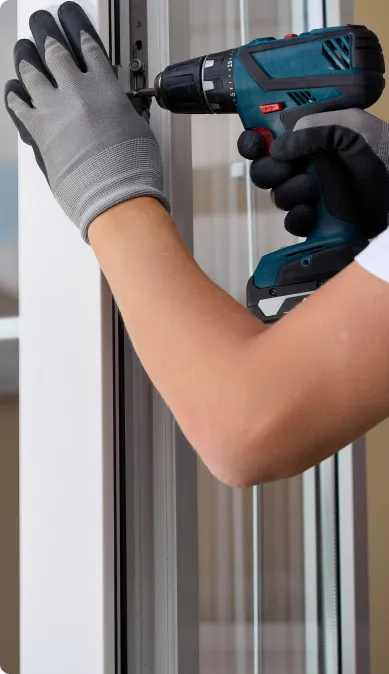
Even the strongest window in the world will fail if it is not installed correctly. Professional hurricane window installation is a highly technical process that should only be handled by licensed and insured experts.
Retrofitting and Sealing:
When retrofitting existing homes with hurricane glass, contractors must carefully remove the old frames without damaging the surrounding stucco or drywall. Because South Florida storms drive rain sideways at high speeds, modern building codes often dictate the use of a secondary water barrier for window installation. This involves applying a specialized waterproof flashing tape around the window buck before the frame is inserted, preventing hidden water intrusion and mold growth inside your walls.
Navigating Permits:
Do not attempt this as a weekend DIY project. The Palm Beach County building permit requirements are stringent. A permit must be pulled before work begins, and the installation must pass a rigorous inspection by a county official to ensure the correct fasteners were used and that the windows meet the required DP ratings.
Choosing the Right Frames:
If you live near the ocean, the salty air can wreak havoc on building materials. When selecting the best frame material for salt air, homeowners generally choose between aluminum, vinyl, and fiberglass.
- Aluminum: Exceptionally strong, but it must be properly treated or anodized to prevent corrosion in salty environments.
- Vinyl: A fantastic, cost-effective option that will never pit, rust, or corrode, making it highly popular in coastal West Palm Beach.
- Fiberglass: Premium, incredibly durable, and highly resistant to both temperature fluctuations and salt corrosion.

Beyond Storms: The Everyday Benefits of Impact Glass
While the primary goal is storm protection, impact windows upgrade your daily quality of life in several unexpected ways.
- Energy Efficiency: The South Florida sun is notoriously hot. Modern impact windows are manufactured with specialized coatings. The energy-efficient low-E glass benefits are immediate: these microscopic metallic coatings reflect the sun’s heat away from your home while letting the light in. This keeps your home dramatically cooler and can lower your monthly air conditioning bills.
- UV Protection: Direct sunlight fades hardwood floors, artwork, and expensive furniture over time. You will be pleased to know that the impact-resistant glass UV protection levels are outstanding. The laminated interlayer blocks up to 99% of harmful ultraviolet rays, acting like sunscreen for the interior of your house.
- Soundproofing: Whether you live near a busy road, have noisy neighbors, or just want a quieter home environment, the laminated glass noise reduction features are a massive bonus. The same thick glass and heavy interlayer that stops flying debris also absorbs sound waves, turning a noisy, chaotic exterior into a peaceful, quiet interior.
Conclusion:
Protecting your property against the unpredictable wrath of nature is an essential part of coastal living. Upgrading to impact glass offers an unparalleled combination of storm protection, energy efficiency, and home security. By understanding the technical requirements, navigating local building codes, and hiring reputable professionals for installation, you are making a profound investment in the safety and longevity of your property.
Don’t wait until a named storm is churning in the Atlantic to start thinking about your home’s defenses. Start researching your options today, request quotes from trusted local professionals, and enjoy the peace of mind that comes with knowing your family and your property are safe, secure, and ready for whatever the Florida weather brings.